Organic Matter
Once upon a time, in a decade not-so-long-ago, embracing a minimalistic interior earned you the cachet of either being financially compromised, parsimonious, or a tad flamboyant. And as for beige walls, they were unreservedly attributed to the meek mirage of dusty community centres and smoky social clubs. But how (thankfully) times have changed.
Those conceptions of minimalism and neutrality within the home are wedged within a time when life was simple but booming. The internet was in its infancy, so we lived pretty regular lives un-bombarded by the tangled world wide web we find ourselves trapped in now. So, we felt the need to go big and bold with our décor to prove more is more. And sentimentality soared, so we didn’t dispose of much. Hand-me-downs were vintage treasures and home was lived-in, loved, and familiar. Now, we’re surrounded by constant change in a world that refuses to be tamed. Held fast by churning trends and capitalist advertising and we want for only one thing: inner calm.
And that is the story of how neutrals became mainstream.
Primed by a desire to cut the cord that binds us to tech, modern neutrals are a steadfast way to reconnect with nature and drip little drops of her within the home environment. For the past few years, we’ve seen neutrals evolve and transmute into new concepts – with even claims that red is a new neutral (would you?). We’ve managed to migrate away from magnolia, beyond beige, and segue into something fresh, exciting, and interesting. With organic facets at the heart of the new neutral wave, there are a few things to know about nailing this trend in 2026.
Textural interest
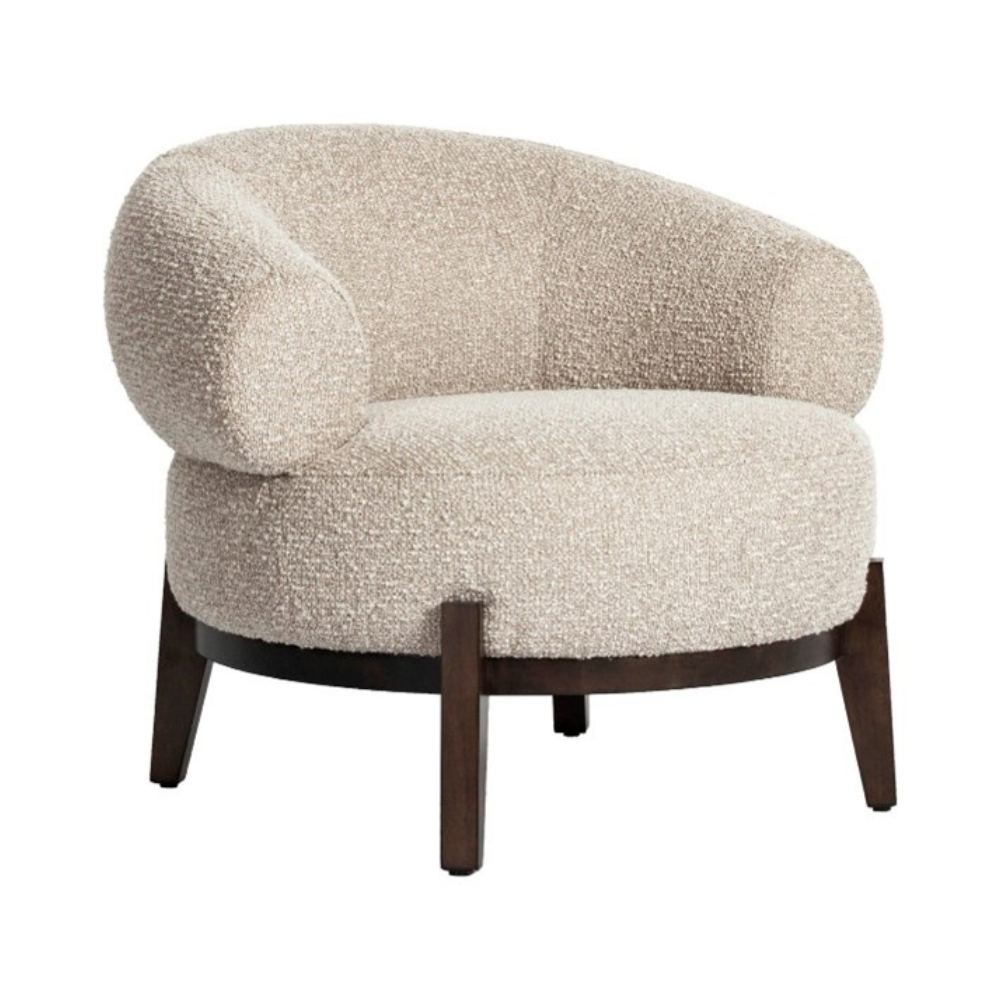
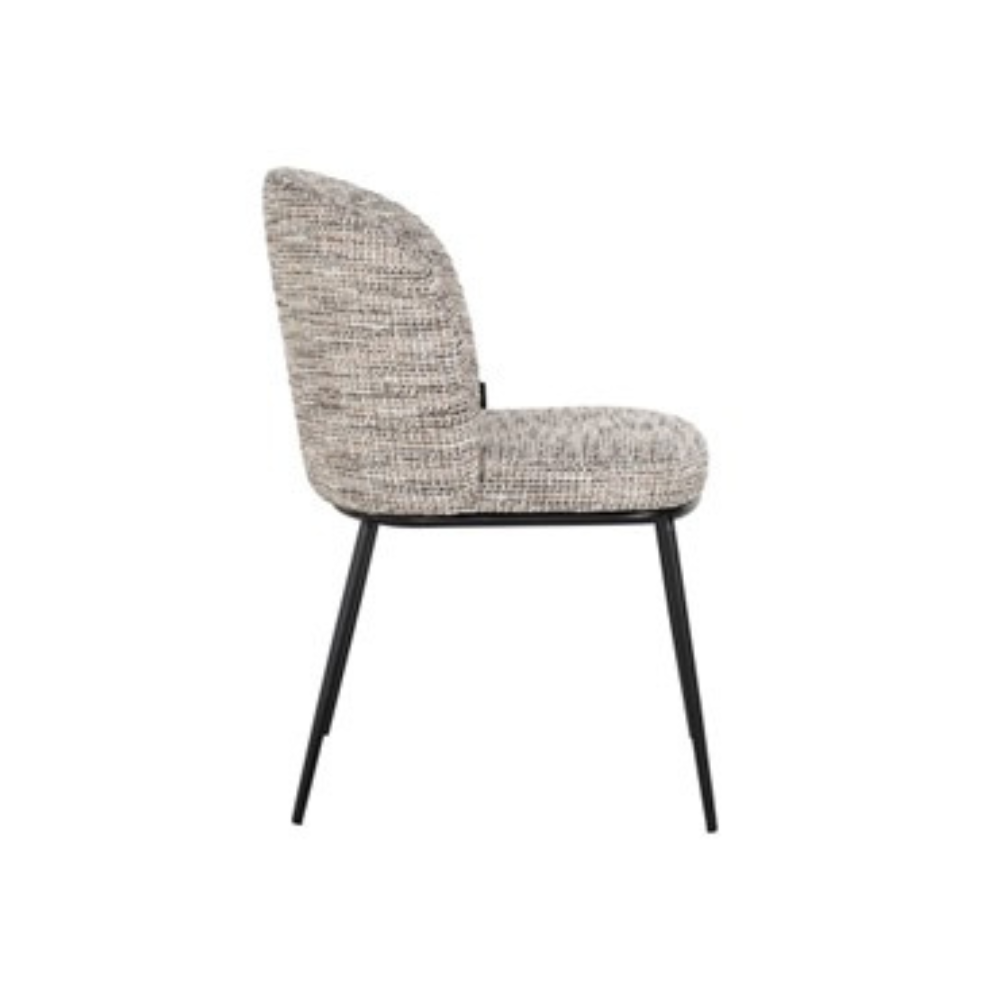
Embossed, debossed, knotted and woven – we’re moving beyond boucle (although still loving it) and embracing a more technical textural interest. This season, neutrals are popping out and receding to create sensory dimensions and adding visual depth to their identity. For a demurer approach, think smartly about soft furnishings and upholstery. Dining chairs are a failsafe way to introduce a contemporary touch to the enduring neutral trend, with an array of herringbone and fantasy weaves in a melange of neutral tones quietly slipping into the scene. A must for all material mavens.
Becoming wooden
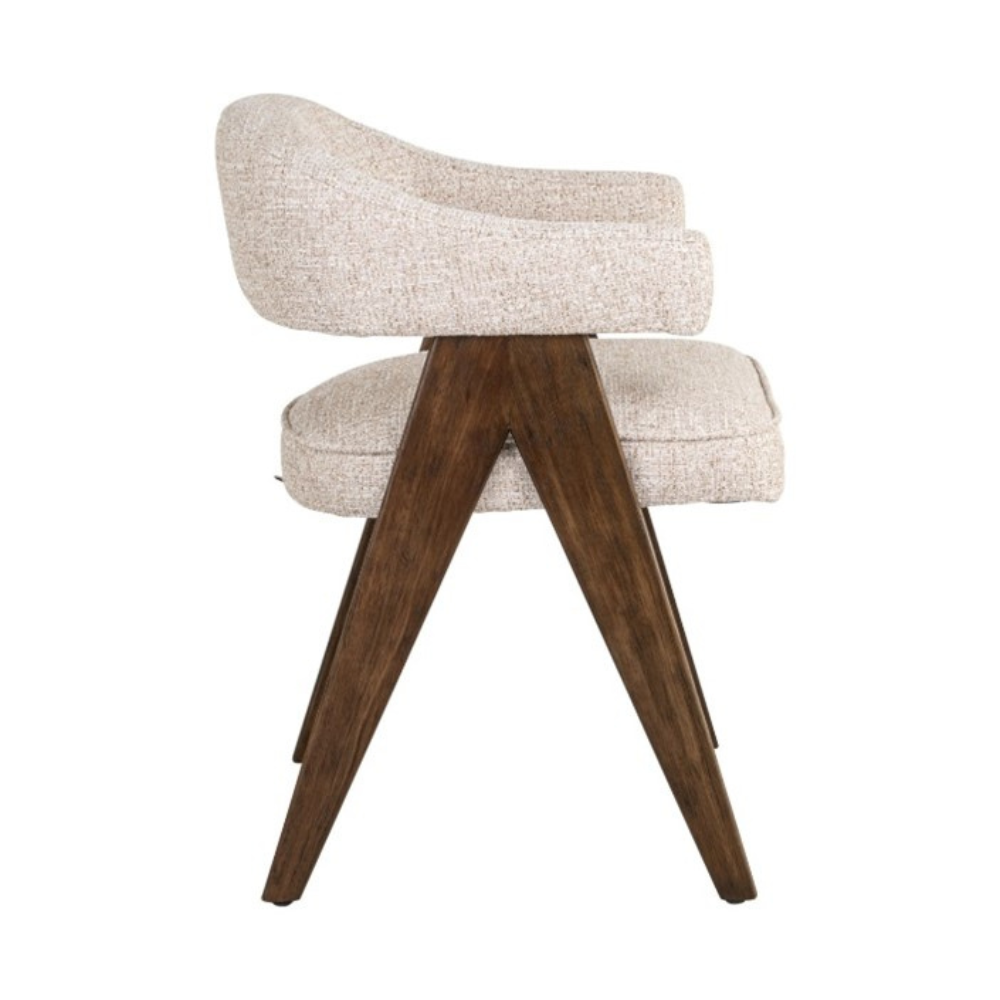
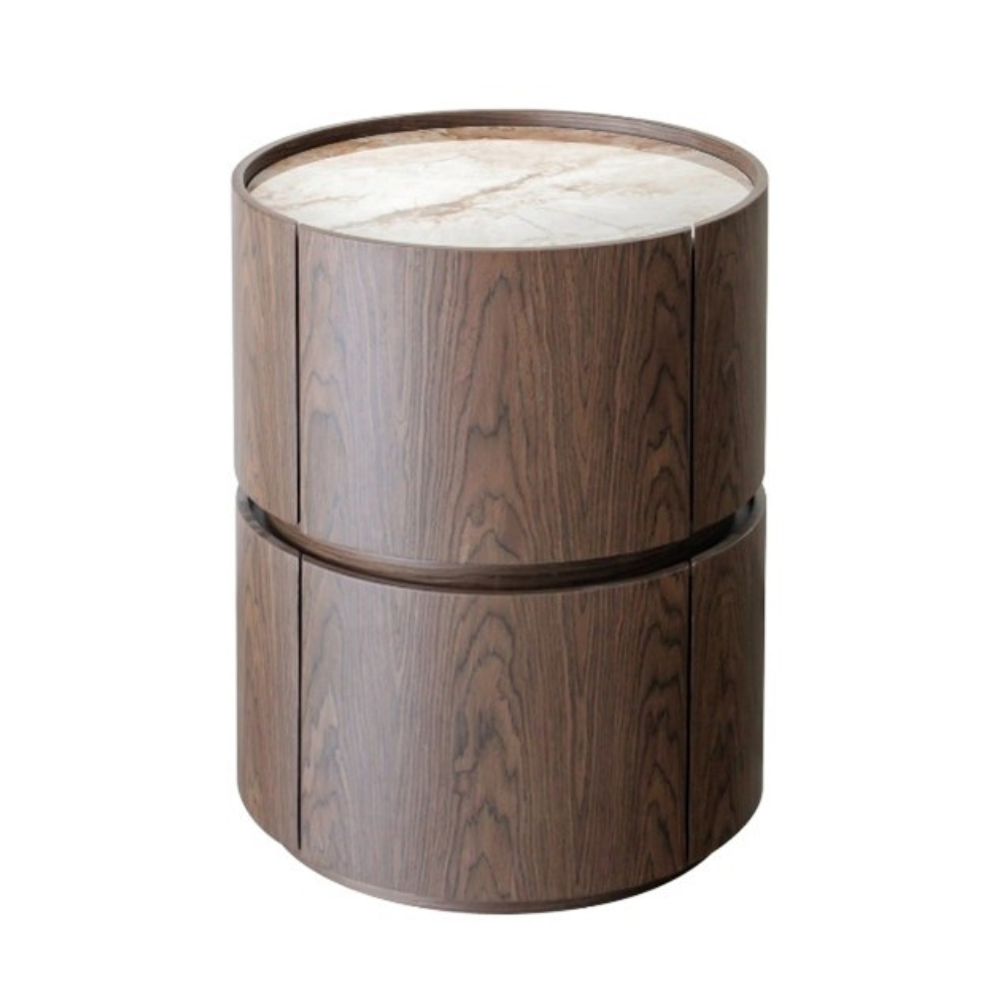
Seventies nostalgia is rife whenever summer sets in – maybe it’s the bohemian romance of the solstice or the hazy horizons, but something ignites the swarthy spark each year. So, it was only a matter of time before the interiors sector followed suit. Slightly off convention, designers are cosseting the more minimal, natural aspects synonymous with late, mid-century design – think silky smooth, matte-finish woods forged into sleek planes and seemingly-everlasting arcs. Simplistic but refined, these minimalistic but highly impactful pieces are either often finished with marble or make the perfect accomplice for it. So retro, it’s ideal for the most modern trend of this era.
Sculptural lines
Pre-21st century, modern minimalism often involved turgid sculptural shapes finished in chrome or high gloss plastics. All fantastic form, no feasible function. Now, designers are savvy about their sculptural pieces and consider the behaviours of materials to determine what’s possible. Plus, the home has been recontextualised as a sanctuary that needs to perform the support we need in our lives. The result? Visually striking pieces that add depth, interest, and awe to a functional living space, rather than a Jeff Koons-dog-type dining table that dominates the dining room, leaving you crouched in a corner eating dinner.
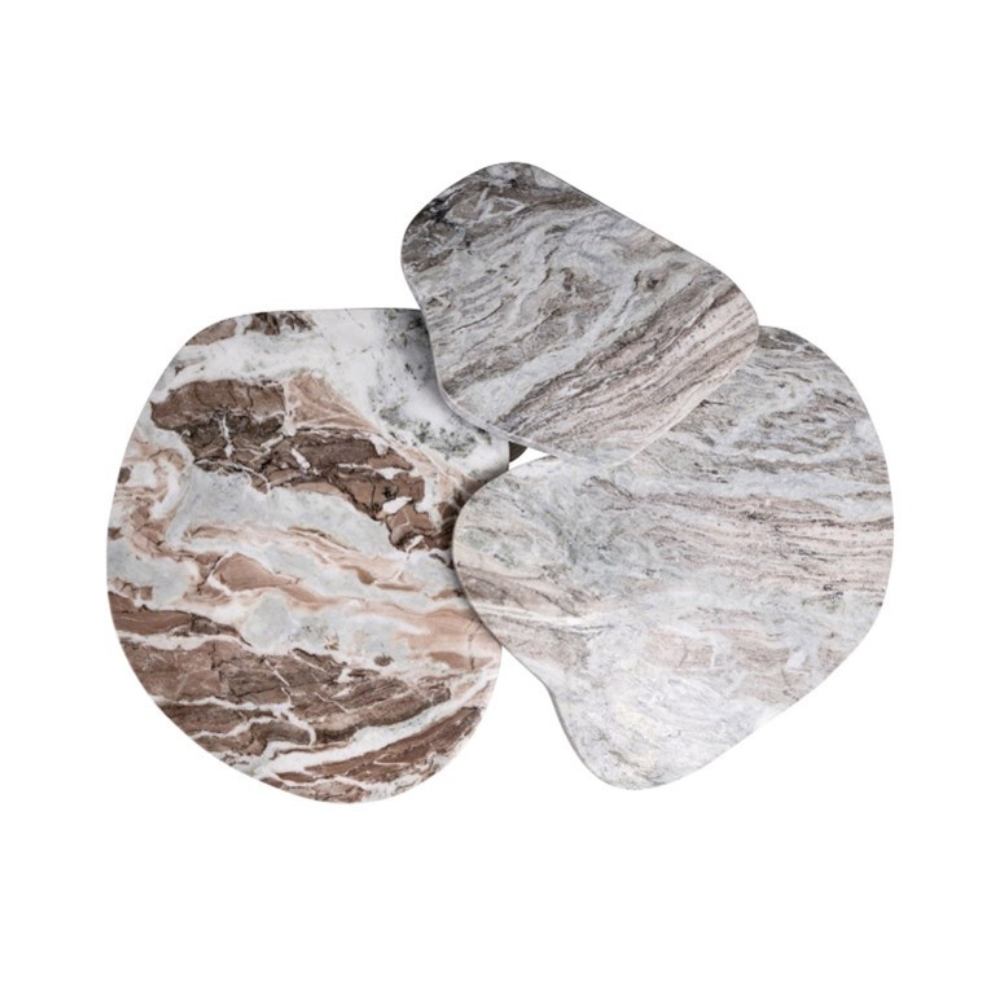
New Neutrals
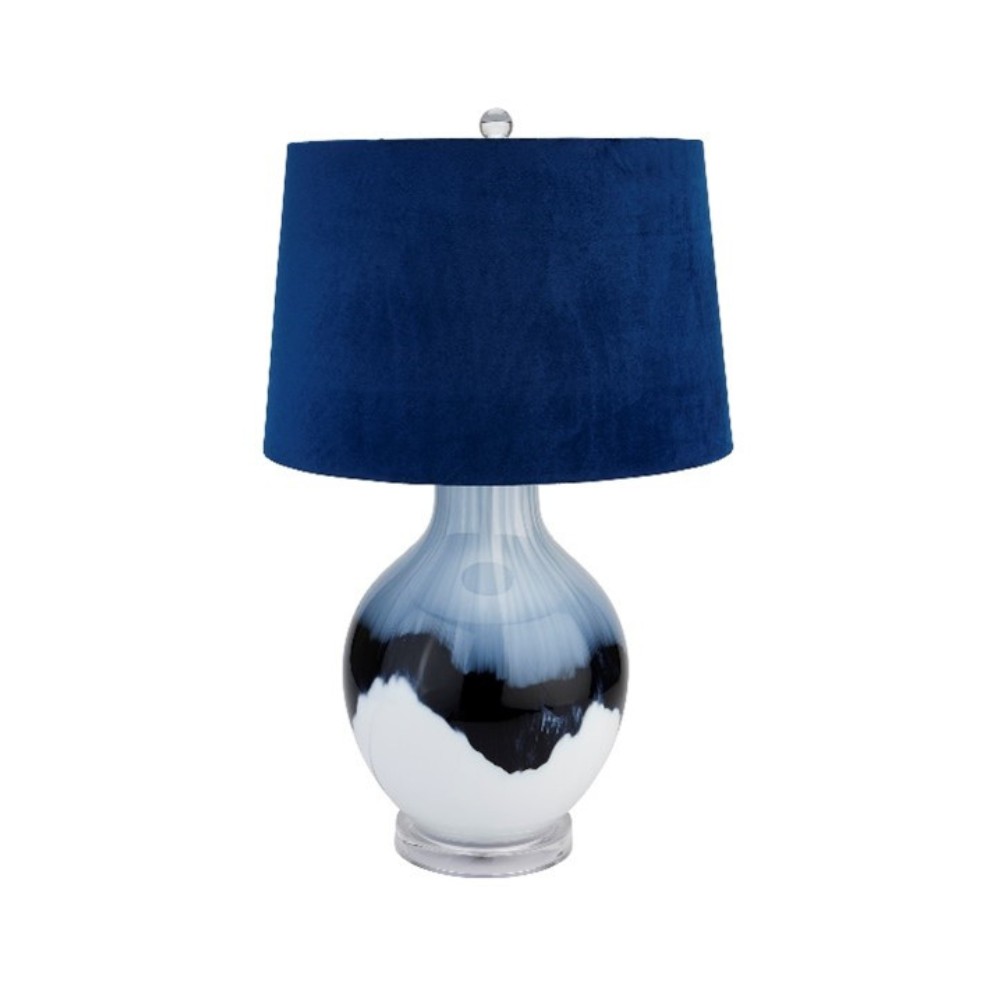
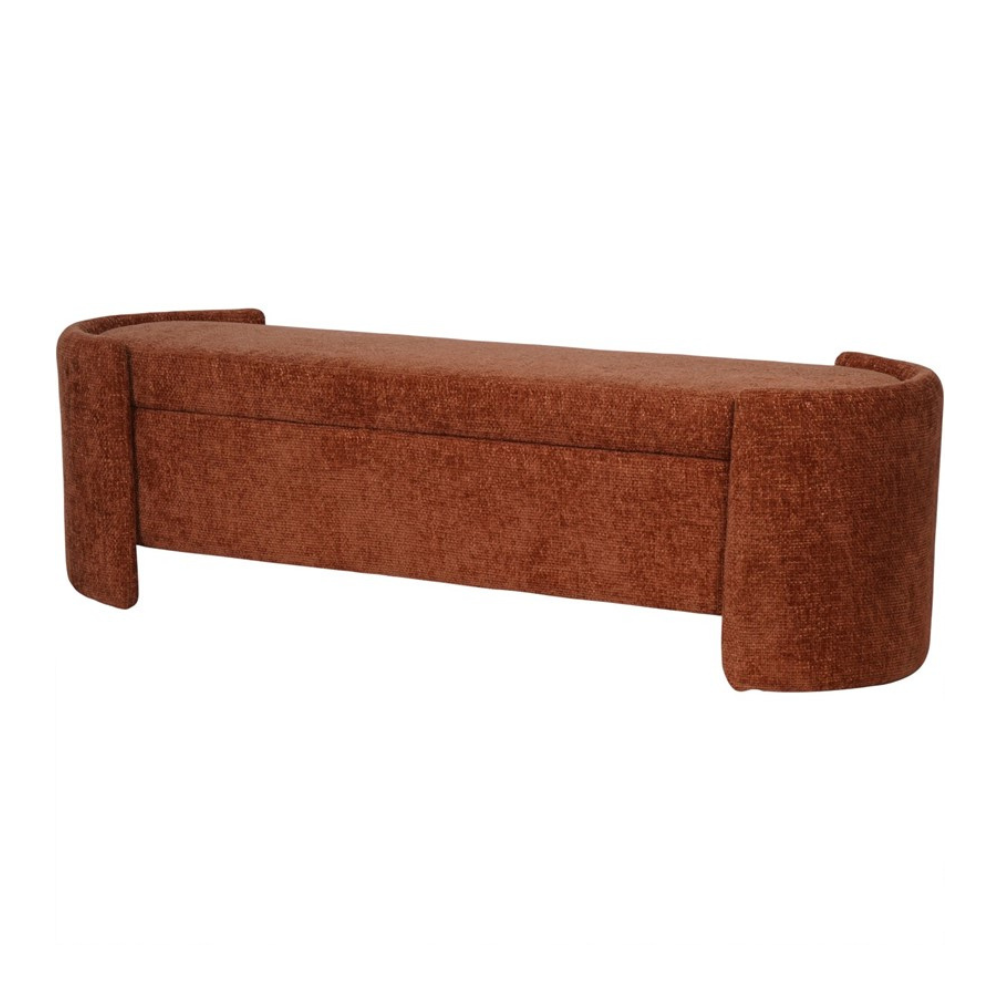
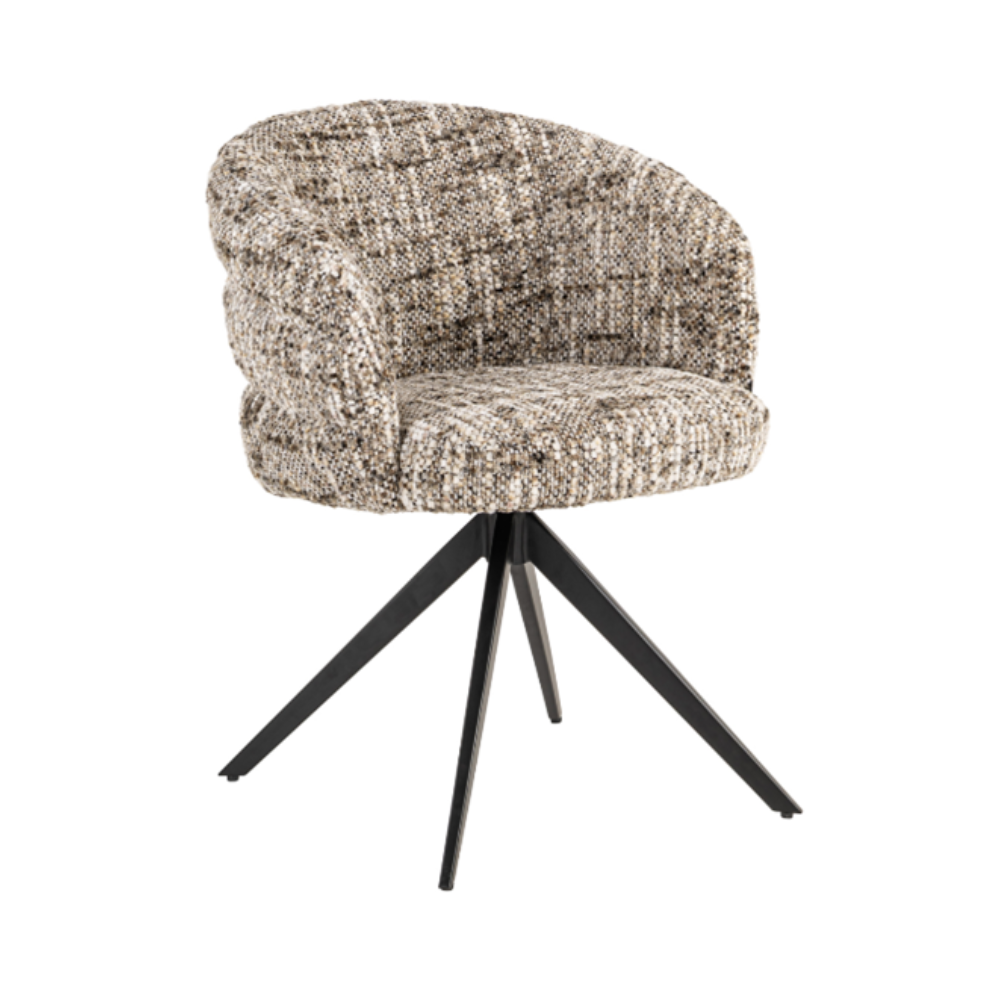
Controversial but irrefutably popular, the new neutrals are here to stay – and the repertoire’s rapidly expanding. Neutrals today transcend the meagreness of magnolia (which now has plenty of permutations itself), including inky and mineral shades that more widely represent the palette’s organic routes. White, black, and cream just won’t do. Whether you agree with green, or demur at blue (are they really neutrals or staples?), terracotta, lilacs, and cornflowers all form the basis of the new neutral palette. Washed out but not washed up, they’ve made a statement, are a clear emblem of life in the Noughties, and are here to stay.