
The Future of Furniture

In the run up to 2025, the bubble of internet-induced interior design trends stretched to bursting point. Sweeping through the corridors of social media, everything from Barbie-core to Messy-Girl aesthetic bounced beneath our fingertips, subsequently imploring us to question: is this unlimited freedom of creativity, or has it blistered and burst?
As we increasingly adopt digital-dominant lifestyles and adapt to the increasing expense of being alive, we’re more nestled within our homes than ever before. Last year, we saw the home décor sector take a big, brave step away from the usual drenching and deluge of fun – but unnecessary – home interior trends. Instead, we started thinking about the practicality and livability of our home bases – and how we can achieve a functional space that doesn’t sacrifice style.
As we quickly tread our first steps on the road through 2026, days of quick-turn trends are left behind, and an age of consideration and refinement pull us into the light of a new perspective on the home. A perspective that is certain to permeate the year, rising above the cleansing of seasonal trends; and even carrying us through the next few years to come, defining what is the future of furniture.
1. Furniture blue zone
Uncontested as 2026’s strongest long-term movement, furniture longevity is rapidly becoming an expectation, surpassing mere trend. Our homes are personal cathedrals and containers for living life – and we know they deserve love and care. So, over the course of the year, we’ll see a bigger shift towards enduring pieces with long life spans and the potential to be repaired should we injure them.
Make no mistake, this isn’t a direction puritanical about source and eco-credentials – that is a happy side effect. The ethos for furniture longevity is built upon the precept of reducing impact on resources by buying better and buying less. Natural finishes that age well (lime wash, solid wood, stone) are inherently part of this strategy and offer a quiet sense of sustainability.
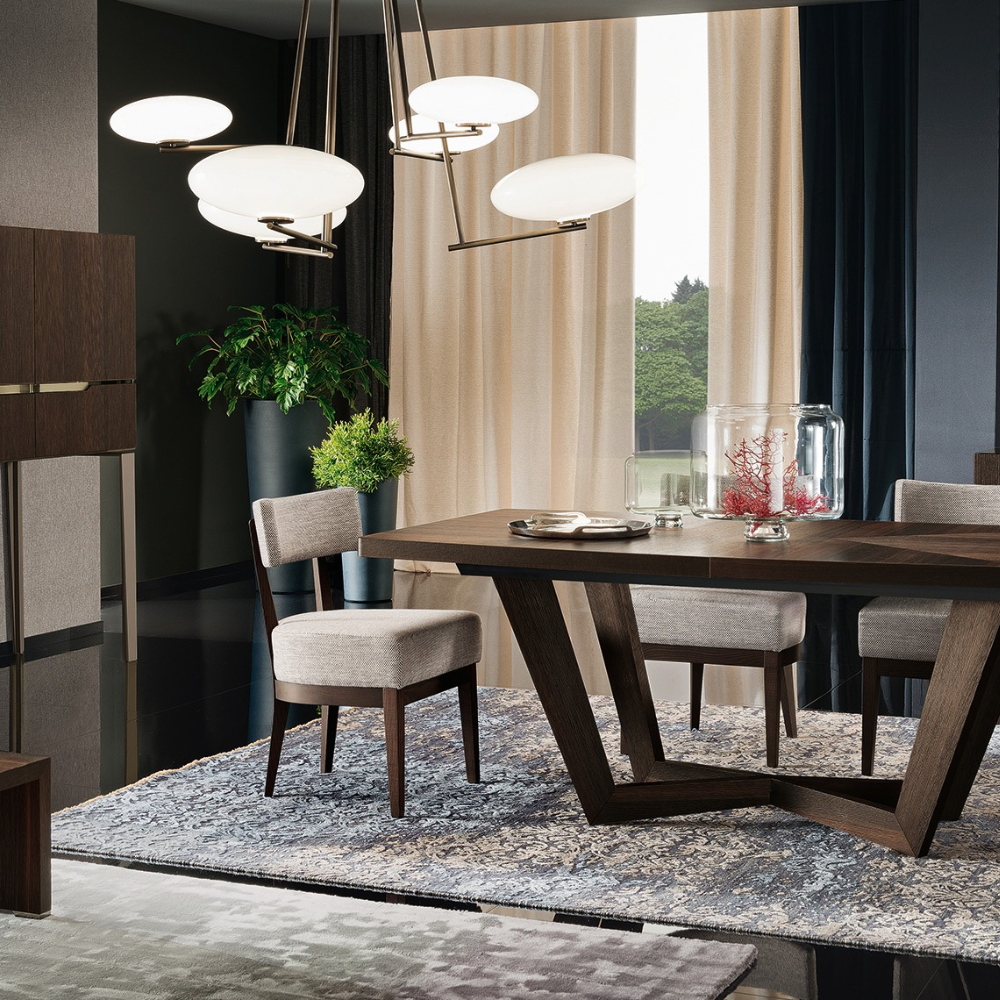
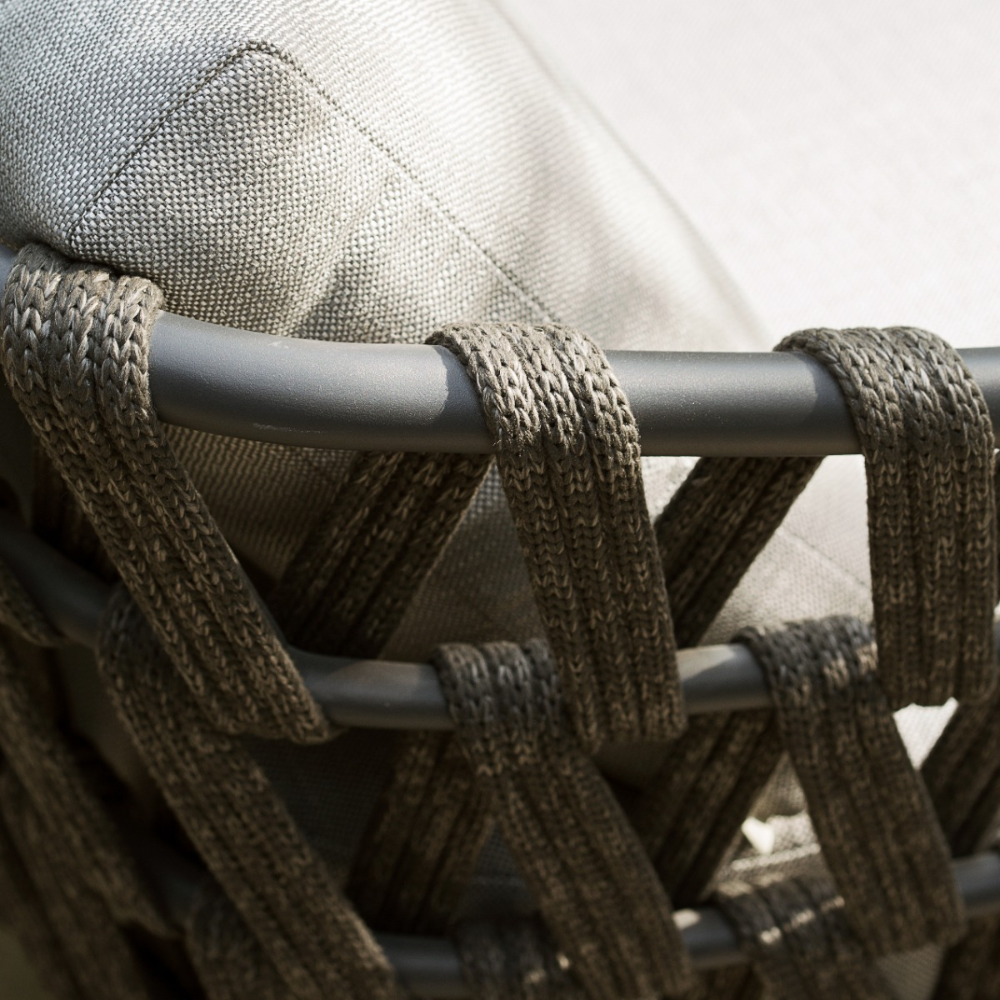
So, what does your life-long furniture partner look like? An exemplar of fine craftsmanship, we love our Accademia collection for perfectly balanced, durable function with divine form. Don’t neglect the outdoors – multi-functional pieces – like our Leo Chair – can be utilised inside and outside, giving you even more bang for your buck.
2. Organic operatics
Biophilic design burgeoned a quiet rebellion against our manufactured lives; and the embrace of the natural world still reigns supreme in the home landscape. Statement stones – dramatic, deep, and colourful for stark contrast against the demure delight that is Pantone’s Colour of the Year – Cloud Dancer.
But it’s evolving rather than just emulating the organic aesthetic of yesteryear. Nature is threading the fabric of our lives and embedding deep within the DNA of our interiors in thoughtful ways. With so much awareness on the wellbeing benefits of our natural environment, attention is naturally reflexed towards wellness-orientated spaces. While in-house water features beyond a Brita filter jug aren’t affordable for most of us, plausible additions include curated vanity and dressing areas, and serene living spaces. Biophilic design is about absorbing by osmosis the functional benefits of nature, so it’s ok to embrace them in a functional, less ostentatious way.
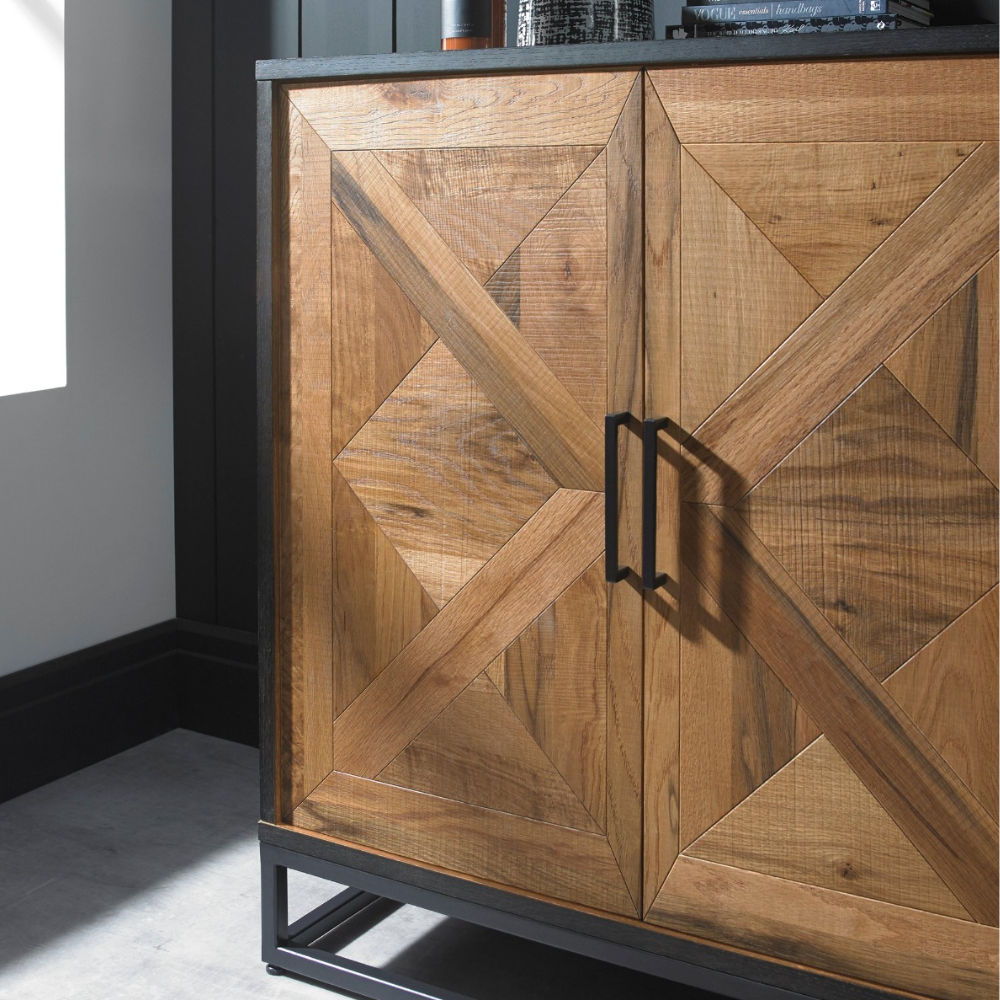
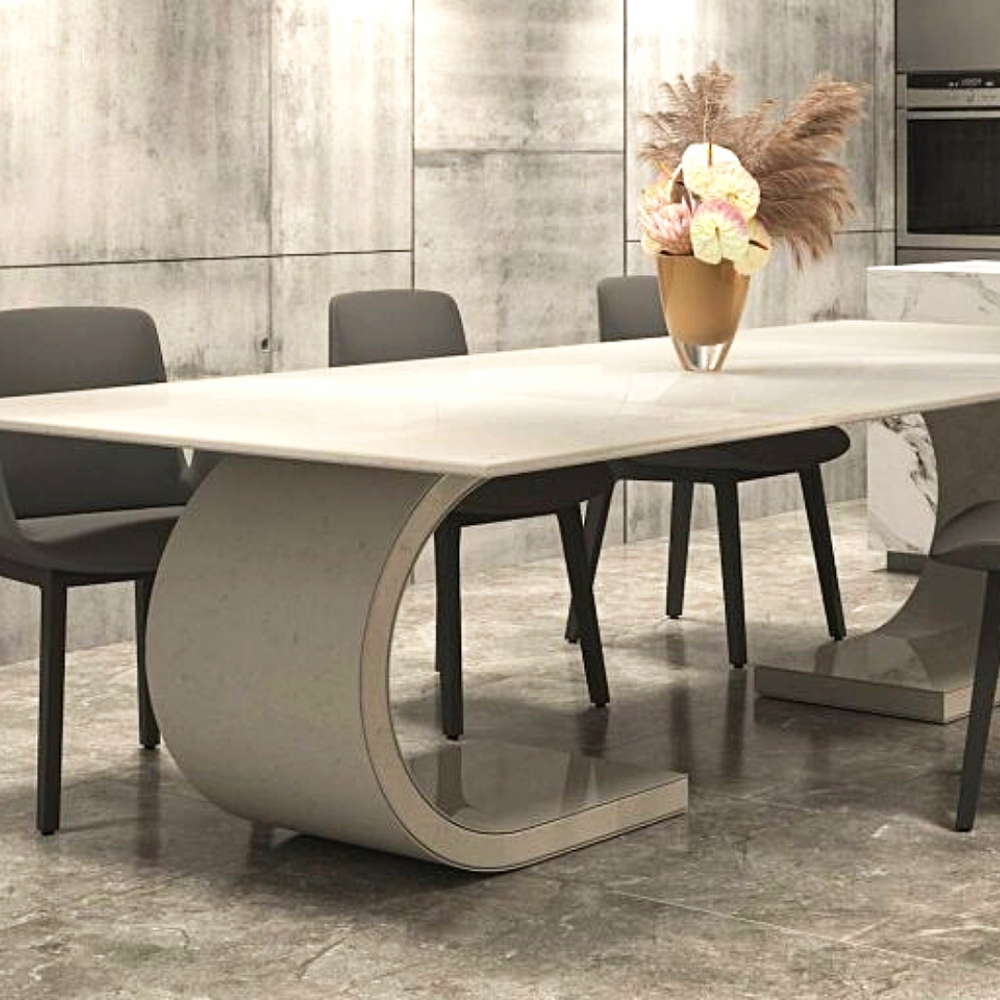
Ready to invoke your wild side? Our Indus Rustic Oak Sideboard offers an installation-worthy conception of raw biophilic design. For a more modest yet equally impactful approach, a statement stone dining table – like Ferrera – is the perfect, permanent biophilic fixture.
3. Curvaceous statement pieces
When we’re so transfixed by wellness, it’s unsurprising that comfort-driven living is maturing through the ranks, replacing the perpendicular preferences cossetted at the turn of the Millenium.
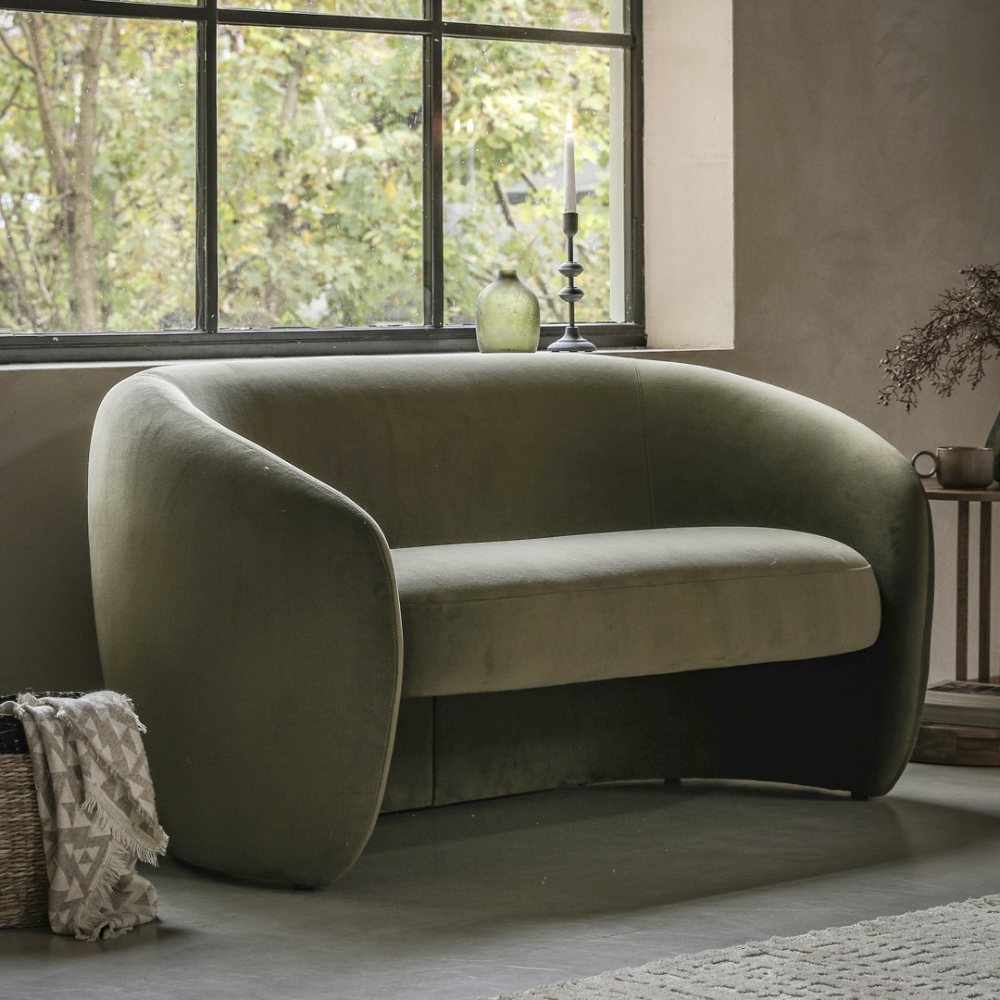
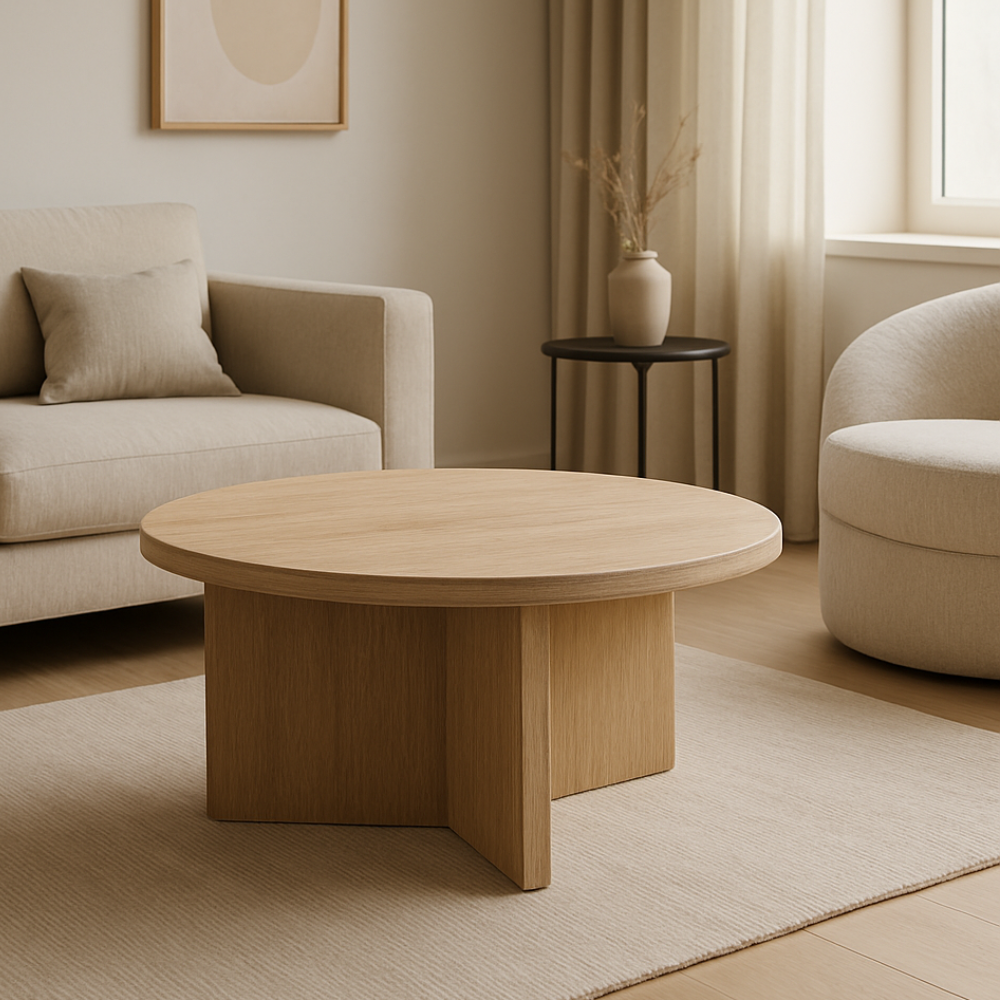
Comfort, fluidity, balancing hard edges - organic forms and soft curves are illustrating a softer vision for humanity. Gentle arcs and curvilinear architecture are sweeping the interior landscape, in equal measures as furniture and installation. But growing up naturally attracts a new aesthetic and curvy furniture is deflating. Gone are the days of hyperbolic proportions and bubble-bases, Softer curves are supplanted in a more tailored, refined profile and timeless silhouettes.
We love Ellera, for her seemingly contained curves for an elegant silhouette. Why not take this long-term trend beyond upholstery with our shapely Portobello collection?
4. Warm, sophisticated palettes
Nature never goes out of style and this year, she’s dominating the chromatic domain. Maximalism and pattern drenching are quietening down and we’re returning to the muted magic of organic hues. An extension of the turn to investing in quality furniture, natural colours are enduring and offer longevity and adaptability.
A double-edged sword, sympathetically warm tones also enhance the wellbeing points of our homes. So, furniture choices should be wood in all its natural glory, with metallics unreservedly laid to rest. Accents of earth tones - but slightly lighter and dustier – are the perfect additions to walls, with darker shades dispersed strategically and subtly. Expect to see a new order of organic embellishment stem far beyond the branches of 2026.
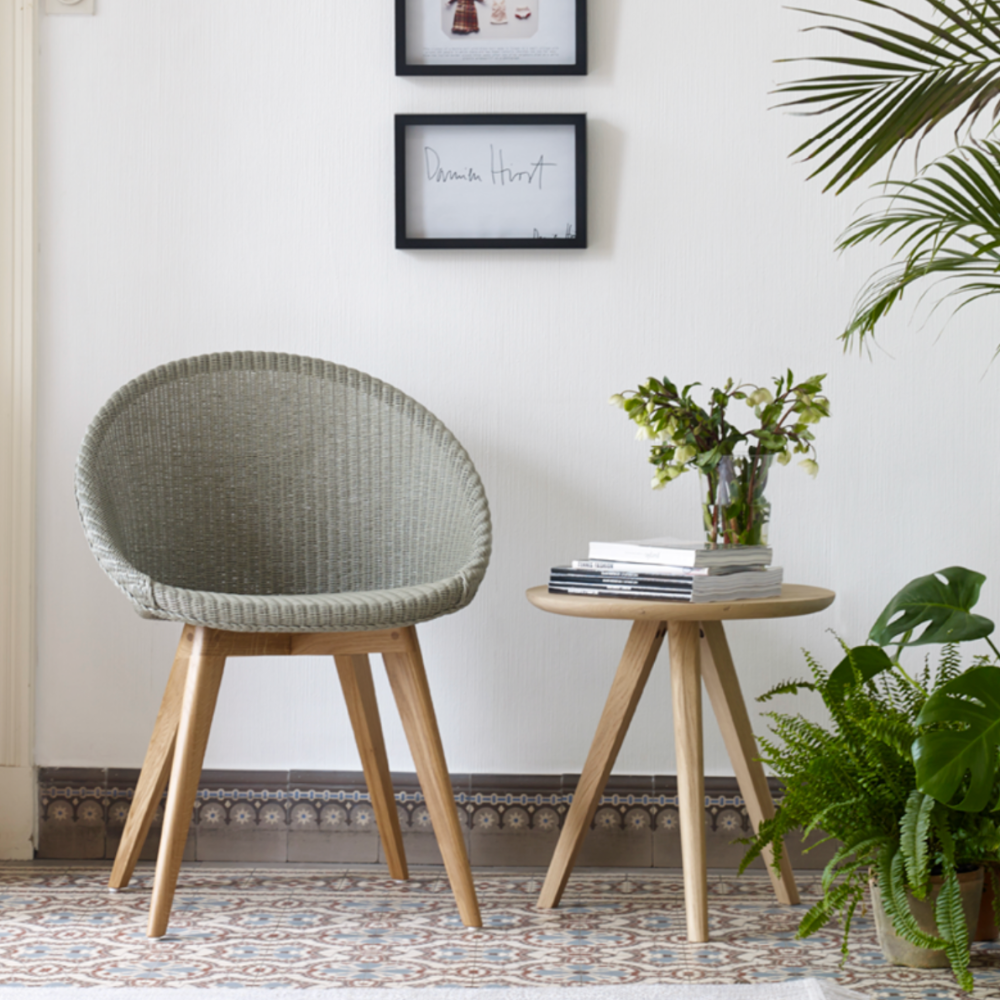
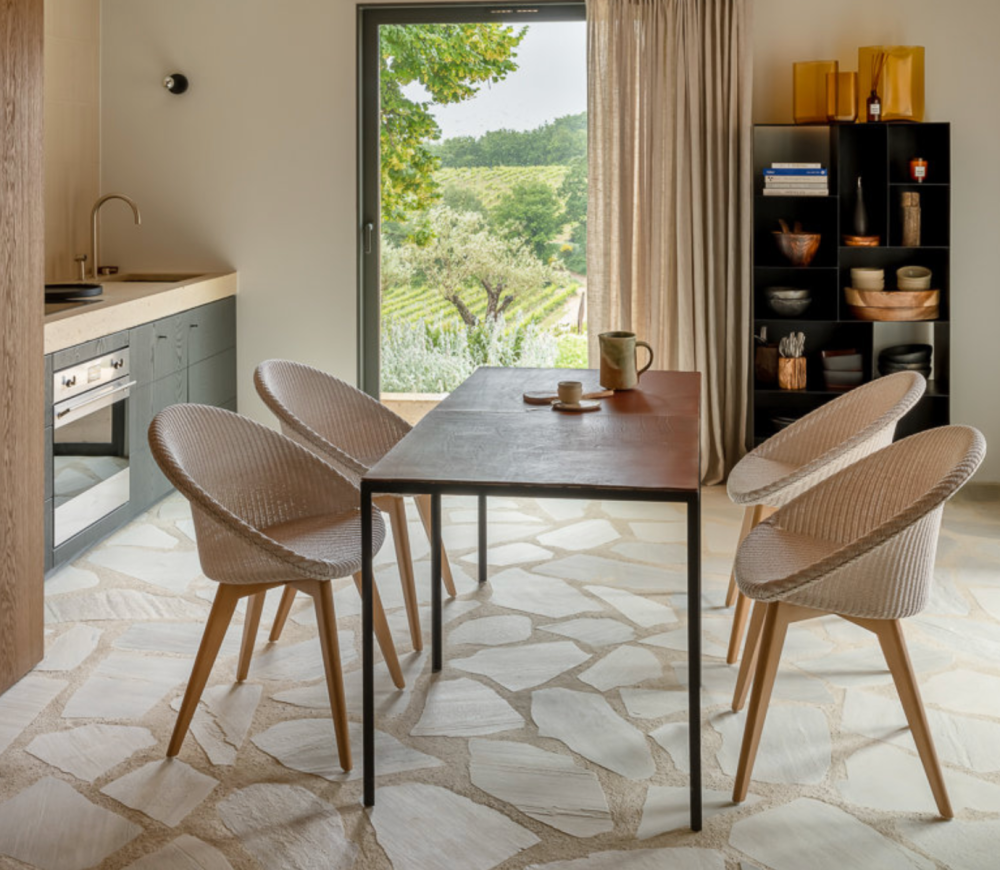
Ticking three longevity trend boxes at once, our Joe Dining Chairs are the perfect organic investment piece available in a selection of muted, mineral neutrals. From terracotta, dusty coral to almond and walnut, each shade is as delicious as the next.
5. Old money luxury
Maximalism may be hanging up its threading boots, but heritage is still heralded as a key trend in the future of furniture. A concept subjectively unique to each of us, the desire to return to days gone by offers a certain romantic charm. So, we’re seeing revivals in all corners of the interiors cabinet and curiosities coming out to play. But this time, they’re adhering to that overarching theme of purpose.
With a view of supporting our homes to age gracefully, swarthy lashings of velvet, brocade, and fringing are introduced as decorative elements against hand-turned and distressed woods. Coinciding with the penchant for warm organics, 2026 will be characterised by a demure, naïve palette in kitchens and bathrooms – where we’re even seeing sophisticated wallpapers return in a bid for bolder confidence and a touch of extraordinary, kooky luxe.
So, how exactly should this trend be conceived to withstand the test of time: think classic. Shapely legs, bevelled trims and subtle patterns, like on our Art Deco inspired Gambit collection, add much needed equanimity to the look.
